By Ketty L.
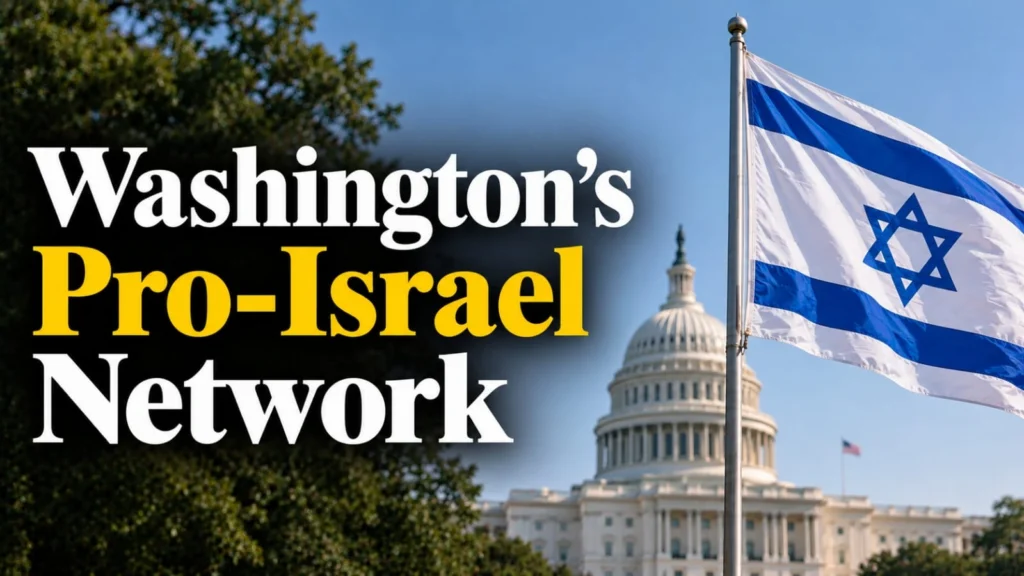
The story you see on the congressional map barely scratches the surface of what is really going on in American foreign policy. After the dust settled from the latest midterm elections, mainstream news jumped to announce a loss for the American Israel Public Affairs Committee. Big name AIPAC backed candidates fell in battlegrounds from Michigan to California. Suddenly, pundits wondered if the pro lobby, long seen as powerful, was finally starting to lose its grip as public opinion shifted. But if you just tally up AIPAC’s wins and losses, you are missing the big picture. The way foreign policy influence works in Washington is way more flexible than any one political group. When one avenue gets blocked, others open, and somehow, Congress keeps marching almost in lockstep with Tel Aviv, no matter how loud the grassroots opposition gets.
To really see how this machine moves, you have to look past the big AIPAC headlines and peer into the broader world of pro Israel funding. AIPAC might have taken some public hits, but organizations like J Street, the Jewish Democratic Council of America, and the Democratic Majority for Israel are not just picking up the slack, they are winning plenty of races in their own right. In the places where AIPAC’s preferred candidates stumbled, you often find their replacements were propped up by these other groups or by wealthy donor networks tied to families like the Soroses and Murdochs. Sure, these organizations sometimes argue about tactics or how loudly to echo the Israeli right, but at the end of the day, they all agree on one thing: the United States should stand by Israel, no matter what.
When one lobbying avenue gets blocked, others open, ensuring that Congress keeps marching in lockstep with Tel Aviv despite grassroots opposition.
Take a closer look at those races that looked like losses for the pro Israel old guard. Places like Arizona, Colorado, Pennsylvania, and New York saw Democrats beat Republican incumbents, often without taking direct AIPAC donations. But if you dig into their campaign finance records, you will find money from J Street, JDCA, and DMFI in the mix. People like Manny Rutinel in Colorado or Sarah Trone Garriott in Iowa walked into Congress with records and stances on military aid that mirrored the folks they replaced. They didn’t storm in as outsiders ready to challenge the status quo of United States military support for Israel. They were, if anything, an upgrade, more polished, more nuanced, and able to channel progressive frustration without ever really undermining the core alliance.
This whole set up is not an accident. The lobbying network has found clever ways to adapt. For years, the old strategy relied on pouring massive sums behind the loudest, most loyal candidates, but that approach started backfiring, especially with anti war voters and human rights activists on the left. So the network branched out, funneling money through organizations that look and sound more progressive. These alternative lobbies act as a pressure valve. They soak up public anger, make accountability look possible, and in the end, voters find themselves picking candidates who still fall in line on the big issues, military aid, security guarantees, unwavering support for Israel. It is a pretty smart defense mechanism.
The numbers back this up. Even after AIPAC’s front line losses, it was quick to point out that hundreds of its endorsed candidates still won. Independent election trackers show that a huge majority of lawmakers on both sides stay reliable when it comes to Israeli interests. And when someone like Hakeem Jeffries climbs to a leadership role while still keeping close relationships with AIPAC, DMFI, and J Street, you don’t have to guess what message that sends. If you cross the bipartisan consensus on Israel, you are risking your political future in D.C., no matter how the public mood is shifting.
And even for the handful of candidates who managed to avoid official pro Israel lobby cash, there is usually some kind of connection through donor networks or big family philanthropies. Bundlers and wealthy supporters find subtle ways to keep the money flowing to candidates who play it safe. When you really examine how they vote or what they say on key dates like October 7, or when military action heats up in the region, so called independent politicians again show clear commitment to the same old strategic partnership. The surface might look different, but dig a bit and you see the same consensus underneath.
American foreign policy is shaped less by what voters want and more by a permanent bipartisan elite consensus.
Still, it would be a mistake to say nothing’s changing. AIPAC isn’t racking up the 98 percent win rate it once bragged about. Their slip shows the political landscape is shifting, even if the changes come slow. More Americans, especially younger ones, are tired of endless foreign entanglements and are openly skeptical about Washington’s knee jerk alliances. Politicians who ignore the suffering of Palestinians or refuse to budge on unconditional support for Israel are starting to pay a price. These days, lobbyists know that just dumping money into campaigns isn’t enough. They have to work harder, spinning the narrative, organizing coalitions, finding fresh candidates with the right look and message to keep their base covered.
So here is the core reality about how Washington works: American foreign policy isn’t really shaped by what voters want. It takes its cues from entrenched structures, well funded donor networks, and what you might call a permanent, bipartisan elite consensus, the idea that the United States Israel relationship is untouchable. Younger generations are pushing for some kind of moral shift, but Congress is still well defended by a complex, layered system built to keep things steady. For now, at least, this machine survives, learning and adapting, always ready to block real change before it can break through in Washington.
About the Author
Ketty L. is a Columnist writing on politics, and international affairs.