
The illusion of control is often the first casualty in a geopolitical crisis. Today, Washington appears to be discovering exactly that.
For weeks, the United States has projected confidence, insisting it holds the “cards” in its confrontation with Iran. Yet the diplomatic reality and economic landscape suggest something far less certain for the White House. The battlefield is no longer confined to missiles, sanctions, or naval blockades; it has evolved into something more layered, where timing, sequencing, and narrative carry as much weight as aircraft carriers and oil flows. And in this strategic contest, Iran appears to be thinking a few moves ahead.
At the core of the standoff lies a simple equation: pressure versus endurance. The U.S. strategy has relied on restricting supply, tightening sanctions, reinforcing naval presence, and signaling control over critical chokepoints. Iran, however, has chosen not to meet that pressure head-on, but by dictating the terms of engagement. Instead of conceding on its nuclear program, the very outcome Washington needs to claim a domestic political victory, Tehran is attempting to reorder priorities: end the war, lift the blockade, stabilize energy flows, and leave the nuclear constraints for later stage.
This sequencing is not accidental. It strikes at the heart of U.S. leverage. By decoupling the nuclear issue from immediate negotiations, Iran effectively removes the primary bargaining chip Washington seeks. In doing so, it forces the U.S. into an uncomfortable position. Accept Iran’s sequencing, and it risks walking away without a clear “win.” Reject it, and the conflict drags on, economically costly, politically risky, and strategically uncertain. Either way, the sense of control begins to slip.
Meanwhile, Iran’s strategy extends beyond negotiation tables. Its outreach to regional actors, particularly the quiet but significant engagement with Saudi Arabia dilutes the perception of a unified front against Tehran. The conversation is no longer about isolating Iran; it is about accommodating it within a broader regional framework.
This is where the contrast in approaches matters. Washington’s military deployments, airlifts, and continued signaling of escalation reflect a reliance on traditional instruments of power. Tehran, by contrast, is widening the theatre of diplomacy. From Islamabad to Moscow, it is engaging multiple stakeholders, creating parallel channels of influence, and amplifying its narrative: that it is willing to negotiate peace, but not on terms dictated by pressure.
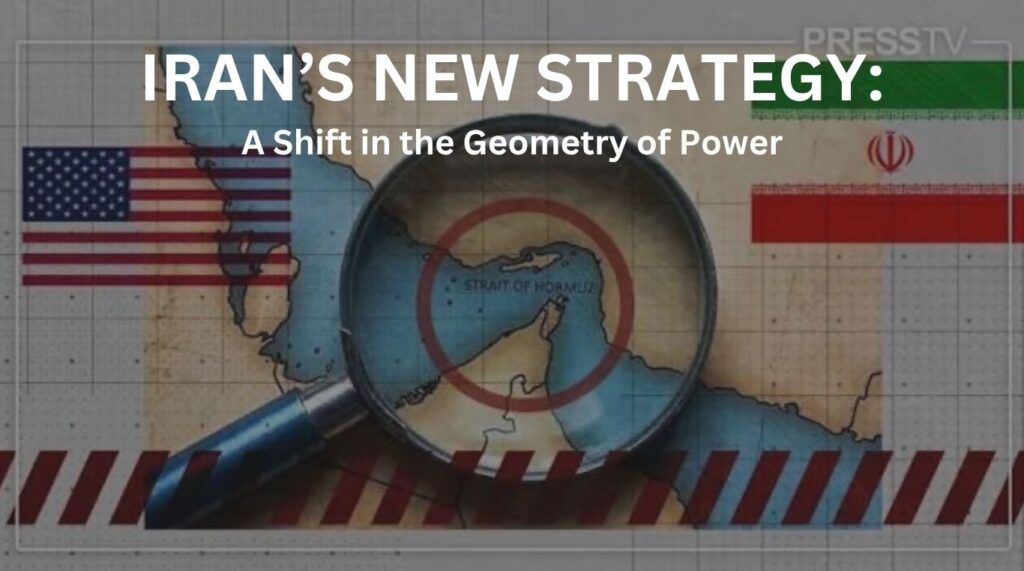
The economic dimension further complicates matters. Despite the looming threat of a blockade in the Strait of Hormuz, Iran continues to move oil, whether by necessity or design. This suggests a calculated risk, maintaining enough flow to prevent internal economic collapse while keeping global markets on edge. The mere possibility of disruption keeps energy prices volatile, indirectly benefiting actors like Russia and increasing pressure on Western economies.
For the United States, this creates a paradox. Escalation risks global economic fallout and political backlash at home; de-escalation without tangible concessions risks appearing weak. Neither option aligns neatly with the narrative of control that Washington initially projected.
What emerges, then, is a subtle but significant shift. Iran, often portrayed as reactive and constrained, is dictating the tempo, expanding both the geographic and diplomatic scope of the conflict. The United States, for all its advantages, is reacting to those shifts rather than setting them.
None of this suggests that Iran holds a strong hand in conventional terms. Its economy remains under strain, and internal consensus appears fragile. But geopolitics is rarely about absolute strength, it is about leveraging constraints more effectively than one’s adversary. In that sense, Tehran’s approach, incremental, adaptive, and narrative-driven, has placed Washington on the defensive.
In a world defined by fragmented power and competing narratives, the ability to control the sequence of events can outweigh the possession of raw power. And for now, that is a game Iran seems to be playing with greater precision.