
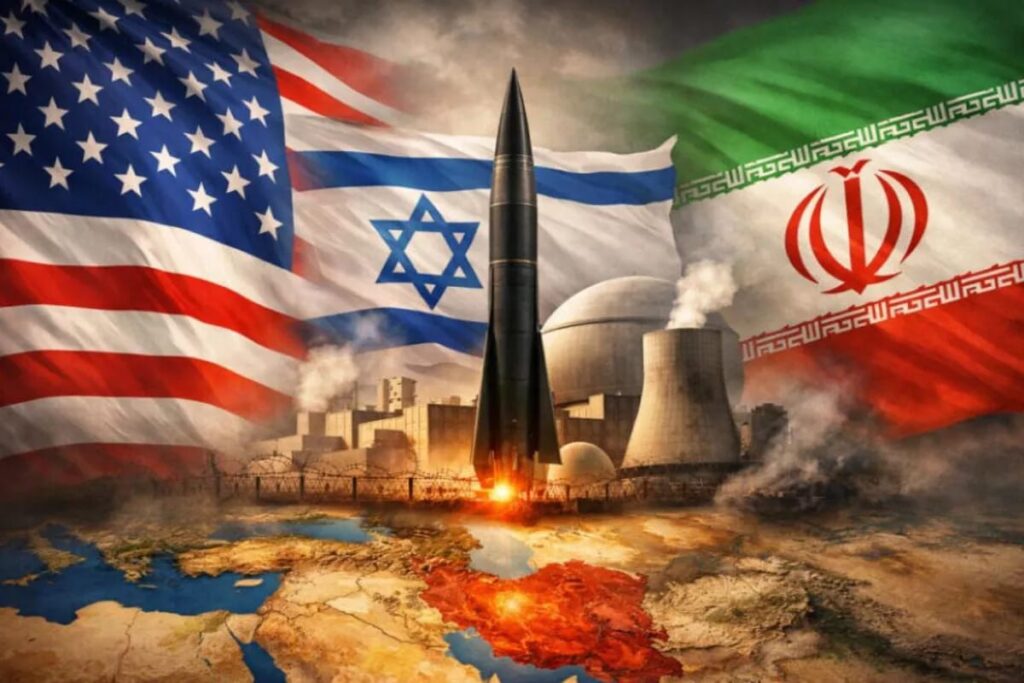
A Deal Built on Sand
After a month and a half of spiraling conflict in the Middle East, the United States and Iran agreed to a two-week ceasefire on Tuesday, less than two hours before President Trump’s deadline, after which he had threatened to wipe out a “whole civilization.” The world exhaled. But anyone paying close attention has every reason to hold their breath again.
This is not peace. This is a pause, fragile, contested, and riddled with contradictions that could reignite the region within days.
Israel: The Wildcard No One Can Control
Israel’s stance feels dangerously unstable and illogical. It praised the Iran ceasefire, then instantly said it didn’t apply to Lebanon, directly denying Pakistan’s assertion that all fronts were covered. Is that confusion or a deliberate tactic? The fear of nuclear Iran is real, and Israel has backed U S. Denuclearization efforts before. Yet here it’s: fighter jets strike Beirut right after peace talks announce a truce – with no approval from Islamabad or any international body. Netanyahu isn’t just watching the outcome – he’s shaping it. That shift from celebration to violence undermines trust. He doesn’t act passively anymore. He is actively undermining it.
The Pros of the US-Iran Ceasefire
The ceasefire, though far from perfect, offers real strategic value that should not be underestimated.
1. The Strait of Hormuz reopens. Trump threatened the Strait of Hormuz. It moves 20% of global oil. Closing it spiked energy costs across continents.
2. Markets respond positively. Oil futures dropped and stock markets rose in response to the ceasefire announcement, evidence that economic stability and war are fundamentally incompatible, regardless of ideological positions.
3. Pakistan earns a diplomatic win. The mediation by Islamabad demonstrates that regional powers can play constructive roles, offering a new template for conflict resolution outside the Washington-Moscow axis.
4. A nuclear negotiation framework emerges. Nuclear limits on Iran are part of the deal – sanctions will ease if Tehran makes moves. Frozen funds will be released too, as a reward. This could hold up for years.
The Cons: Why This Deal May Collapse
The problems are equally serious, and arguably more numerous.
1. Competing narratives make the deal incoherent. There’s no clear document or official claims making the ceasefire feel weak and unclear. Andreas Krieg, a professor at King’s College London, says it’s fragile and hard to trust.
2. Iran’s demands fundamentally conflict with America’s red lines Reporting continues on Tehran’s 10-point plan. It names sustained enrichment rights. That clashes directly with Rubio saying Iran “can never have nuclear weapons.” Trump also claimed there would be no uranium enrichment both sides claim success. Maybe one lies. Or maybe both do.
3. Iran’s nuclear material remains in place. While the US succeeded in killing Supreme Leader Khamenei and devastated Iran’s military, the regime survived, nuclear material remains in Iran, and Tehran has learned exactly how much leverage it can exercise over the global economy by shutting down the Strait of Hormuz. Iran exits this war more aware of its own power, not less.
4. The ceasefire is already being violated. Hours after the ceasefire announcement, the UAE reported its air defenses were firing at an incoming Iranian missile barrage. A ceasefire that is broken before the ink dries is not a ceasefire, it is a fiction.
5. JD Vance called it “fragile” himself. When a sitting Vice President publicly uses the word “fragile” to describe his own administration’s deal the morning after signing it, that tells you everything about Washington’s internal confidence in this agreement.
The Bigger Picture
Peace? Not yet. This ceasefire is a delay, not a solution. Washington calls it progress even though Tehran sees chaos – same deal, opposite meanings. It’s just a break, not an end. Both sides rearm during the pause Iran fuels its proxies. Israel keeps striking Lebanon Fifty thousand U. S. Troops stay ready for any shift. Nuclear enrichment stays off-limits. Hezbollah remains a threat. Regional tensions don’t soften at all. Pakistan watches closely, as does China and turkey. These nations can’t wait for others to act alone – they must push harder now or lose ground fast. There’s no resolution in sight, just breathing room between attacks. Without new steps beyond this week’s truce, the world may see only one thing: another wave of violence after silence.