
By Adam Reed
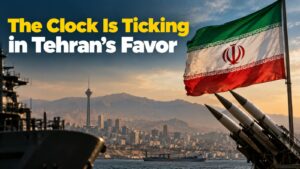
Strategic patience in foreign policy has a way of turning into self deception. When a superpower tries to dodge direct confrontation by buying time with carefully planned delays, it often ends up wading even deeper into the very regional mess it hoped to sidestep. Take President Trump’s decision to put off any military action against Iran until after the November 3 midterms, that move basically handed Tehran and the Revolutionary Guard a set window to plan their next steps. Sure, the White House might hope that working around the domestic calendar gives Americans a false sense of control, but in reality, regional players waste no time. They take advantage of the pause to grow their influence, reshuffle their positions, and dig in across any weak spot they find.
This points to a real problem with handling rival states according to the rhythms of American elections. Tricks and calculated ambiguity only work if the government speaks with one voice, but Washington’s anything but united. You’ve got Vice President JD Vance and a couple of Trump’s trusted envoys, Witkoff and Kushner, pushing for pragmatic, transactional deals. But then Secretary of State Marco Rubio flat out refuses to budge on the core nuclear issues. To Tehran, there’s nothing foggy about this picture. They see the U.S. negotiators eager for a diplomatic win and take it as a green light to play hardball. So Iranian officials just test how much Washington’s willing to give up, whether that’s on uranium enrichment or the bigger question of containing Iran’s sway over the region.
President Masoud Pezeshkian and atomic energy chief Mohammad Eslami aren’t mincing words: Iran’s not about to surrender its nuclear stash or totally quit enrichment. If the agenda shifts from ending enrichment to simply arguing over how much uranium Iran gets to enrich or how often inspectors check in, that’s a win for Tehran. When Iran can score political or financial rewards for dialing down threats near critical waterways like the Bab al Mandeb and the Strait of Hormuz, it sets a risky standard. So called temporary deals that ease pressure without tackling the root nuclear and proxy issues just end up as tools for long term blackmail.
So called temporary deals that ease pressure without tackling root nuclear and proxy issues just end up as tools for long term blackmail.
You can already see the fallout in Yemen and across the Arabian Peninsula. Even with U.S. intel and technical help, Houthi forces won’t stop hammering Saudi civilian infrastructure and key facilities. Washington’s determined to avoid boots on the ground, but these proxy groups are just getting bolder. Regional allies pay the price, stuck fighting a conflict shaped by American reluctance. The moment they realize U.S. caution means more attacks for them, they start doubting American security guarantees. Eventually, they’ll look elsewhere or try building up their own defenses; who wouldn’t?
Meanwhile, Iran’s playbook stretches across the entire region. Working in one place while going quiet in another isn’t a problem for them; it’s how they operate. Intelligence out of Iraq paints a clear picture: Houthi fighters, getting direction and support from the IRGC and allied militias, act as a conduit for Iran’s military know how and weapons across borders. If Washington treats these proxy armies as local problems for shaky governments to sort out, it just hands the Revolutionary Guard plenty of time to dig in and make their networks even harder to uproot.
Lebanon’s another clear example. There, the contest isn’t just about rockets and politics but about who can provide relief, rebuild, and seize control. Iran’s cash trickles in under the guise of helping displaced families, but it buys loyalty and binds communities to these armed groups. If the official state’s broke and can’t deliver basic necessities, people turn to whoever can. That’s how you lose a country to outside influence: not through open warfare but through empty stomachs and broken infrastructure. Reviving state institutions and financing real recovery aren’t just feel good projects; they’re necessities if there’s any hope of pushing back against Iran’s grip on local governance.
Putting off tough choices never makes the problem go away—all it does is let the other side redraw the map.
Nobody should think the region’ll stay calm just because Washington wants it to. Iran’s proxies might get stronger, or more attacks could flare up at sea, anything could spark an Israeli response that blows up America’s careful political schedule overnight. The core problem’s obvious: regional adversaries follow their own clocks, not Washington’s. Iran’s betting its proxies’ll force opponents to make desperate deals, while Washington hopes that time and talk’ll shift things in its favor.
But putting off tough choices never makes the problem go away. All it does is let the other side redraw the map. So when the clock finally runs out and it’s time to act, America faces a more dangerous, expensive showdown. Real deterrence isn’t about endless talk or haphazard pressure; it’s about bringing together diplomacy, economic muscle, and military readiness into a real, coordinated plan. Without that, the so called pursuit of peace just hands the initiative to those who feed off endless crisis.
About the Author
Adam Reed is an International affairs analyst focusing on geopolitics, defense strategy, and global security trends.