
By Adam Reed
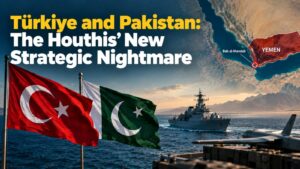
The strategic patience of Islamabad and Ankara has reached its threshold, and both powers have decided to go beyond mere diplomatic expressions of concern. With the Mecca Pact officially in play, you can see both Turkey and Pakistan jumping into action. The emergency summit in Riyadh wasn’t just a photo op; it signaled a real commitment, with both countries sending troops straight to Saudi Arabia. With that, the long slog of the Yemen war just hit a serious turning point. Instead of just talking about collective security, this alliance is rolling right onto the battlefield.
This kind of quick ramp up is shaking the whole region. Before, you could say the situation in Yemen looked like another messy proxy fight. Now, it’s becoming a head on clash between the Houthis, officially Ansar Allah, and a tight, multi country defense pact. For years, the Houthis made a living out of slipping through the cracks, dodging Western pressure, playing local coalitions against each other. But now, with the Mecca Pact suddenly in gear, their calculations have to change, fast. The risks they face just multiplied.
And why did all this come together so quickly? The recent spike in border attacks is the immediate reason. Drone and missile strikes started hitting Saudi oil facilities and even cities, not to mention how close things got to Mecca and Medina. That’s hallowed ground, and for Saudi leaders, lines like that just can’t be crossed. The Houthis probably thought they could force a new balance of power by turning up the heat, especially as they ran their Red Sea campaign against shipping. Instead, they ended up triggering a powerful defense response, exactly the kind of collective mechanism the Mecca Pact was set up to provide.
The joint statement from Riyadh was blunt: any threat to Saudi sovereignty gets a direct military answer from both Ankara and Islamabad. And putting retired Pakistani General Nauman Mahmood in charge as Secretary General? That’s no figurehead appointment, it puts real teeth and command authority behind the alliance, moving things way beyond the old days of casual coordination.
Plugging Turkish drone technology and Pakistani military expertise into Saudi defenses transforms the tactical landscape, intercepting strikes before they reach strategic assets.
For the Houthis, this is a big problem. Their whole playbook was based on asymmetric warfare, cheap drones, missiles, anti ship attacks that cost little but hurt a lot, with minimal blowback. Saudi Arabia kept paying the price, but never went in with overwhelming force. Now? Turkish forces are on deck with years of experience, cutting edge unmanned drones like the Bayraktar and Akinci, advanced radar systems, and battle tested electronic warfare gear. Once these technologies plug into Saudi defenses, they can track Houthi attacks from launch to strike, shutting them down before they ever reach their targets, whether that’s oil refineries, shipping lanes, or even city centers.
That’s not just a technical upgrade; it’s a major strategic blow. Until now, the Houthis could pose as the underdog, waving the “anti imperialist” banner. Their message was all about resisting outsiders and local kings. But bring Turkey and Pakistan into the mix, and that story falls apart. Pakistan isn’t just a strong military; it’s the Islamic world’s nuclear heavyweight. Turkey comes armed with NATO muscle, backing up its tech with a massive standing army. The alliance isn’t pitching itself as some tool of foreign powers. It’s sharing the responsibility of protecting the two holiest cities in Islam, a role that resonates across the Muslim world. Suddenly, the Houthis look a lot less like freedom fighters, and a lot more like a rogue spoiler cut off from regional support.
The timing of all this is intense, too. As the Mecca Pact goes live, Saudi backed Yemeni government troops are launching big offensives, trying to take back key coastal routes and push the Houthis out of their strongholds. Turkish naval assets and Pakistani operational know how are about to make a huge difference, especially near the Bab al Mandab Strait. With control over crucial seaways, the coalition can start to really choke off the Houthi supply chain, cutting them off from the weapons, spare parts, and fuel that kept their war machine running.
For the Houthis, that’s a real choke point. Lose the coast, and their bargaining power with the outside world collapses. Their threats to international shipping fade, and they’re boxed into Yemen’s mountains with diminishing reach.
Gulf security is shifting permanently as Riyadh anchors its defense with regional powers that hold both the military capacity and strategic will to act.
All this speed puts fresh pressure on Houthi commanders. Every time they target Saudi military sites, they run the very real risk of hitting Turkish or Pakistani personnel. One wrong strike, and what used to be manageable attrition turns into outright escalation, with both Ankara and Islamabad ready to answer, and not just with words. The days when the Houthis could needle Saudi Arabia into negotiation without major consequences are basically over. Now, the risks of misreading the situation and dragging in bigger and better equipped adversaries are sky high.
And there’s the long game, too: the economic part of this strategy. By locking down the ports and sea routes, the Mecca Pact is trying to shut off the illegal flows that kept the Houthis’ weapons programs alive. Without a steady pipeline of guided munitions, fuel, and spare parts, the Houthis will find it harder and harder to pull off their signature long range strikes. Continuous surveillance and coordinated action from three militaries just raises the pressure, squeezing their options over time.
Pull back and look at the whole region, and it’s clear things are shifting. The power balance in the Middle East isn’t what it was. Now, the Houthis have to ask themselves, escalate and drag in two major regional militaries, or find a way to scale things back? Striking any facility where there’s a chance of killing Turkish or Pakistani personnel isn’t just a local brawl, it’s an open challenge to countries willing and able to project serious power.
The real story here? Gulf security is changing for good. The reliance on US security guarantees has worn thin, especially as American politics gets more unpredictable. Instead, Riyadh is anchoring its own regional defense, with neighbors that have the will and ability to act.
With the Mecca Pact live, the Yemen war is no longer the endless stalemate everyone’s used to. The trilateral alliance brings technology, intelligence, and experienced forces that force the Houthis to face new limits. They’re surrounded on every side, with shrinking room to maneuver, facing a coalition that’s ready to enforce its terms, rather than just talk about them.
About the Author
Adam Reed is an International affairs analyst focusing on geopolitics, defense strategy, and global security trends.