
By Ketty L.
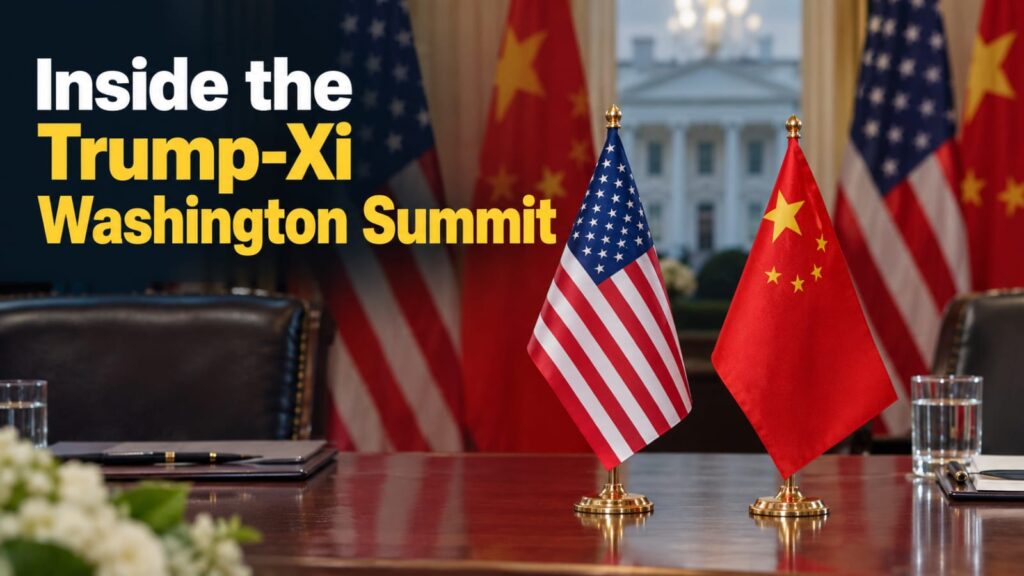
The White House state summit between US President Donald Trump and Chinese President Xi Jinping played out as a vivid lesson in twenty-first century superpower engagement. Both sides knew the stakes were sky-high, but every detail, whether it was the honor guard parade, a dramatic flyover featuring B-2 bombers and F-22 jets, or a state dinner packed with top American tech executives, was choreographed to signal discipline and prestige. Beneath the show, though, ran an unmistakable tension. Sure, there were nods to history and shared moments, the Flying Tigers got their mention, ‘gong he’ made a cameo via the Marines, but these were gestures. Deep down, the summit didn’t generate sweeping breakthroughs. Instead, it offered up a handful of practical, limited deals. Washington and Beijing, having shed any real belief in the post-Cold War promise of harmonized political values or free-trade expansion, now focus on managing friction and limiting risks.
At the core of all this uneasy choreography was their economic relationship, which feels shakier than ever. The leaders both wanted to avoid a messy trade disaster, so instead of hammering out a lasting agreement or extending the previous six-month truce, they went with a cautious two-month pause for the trade war. That short extension pushes the next tariff showdown from November 10 to January 10, keeping pressure high and options open. The brevity of the deal says a lot, these trade talks are loaded with unresolved tensions around enforcement. On the American side, officials openly pointed out that while Beijing followed through on its promise to buy 25 million tons of US soybeans, it’s fallen way short when it comes to purchasing $17 billion in other farm products and has even slowed exports of vital rare-earth materials. In turn, the US kept its tariffs and export controls right where they were, refusing to back down without more progress. This short-term fix acknowledges a basic reality: both economies know they can’t stomach a sudden shock, but neither one’s backing away from a gradual, deeper split.
When it comes to tech, the rivalry gets even sharper, but this time higher stakes forced both sides to cooperate, at least on procedure. Artificial intelligence is no longer just about market share, it’s become the heart of economic and military power for both countries. Unchecked AI is a wild card. Neither Washington nor Beijing can handle those risks in isolation. So the headline deal at this summit was a commitment to keep all AI strictly under human oversight. Both leaders backed plans to set up a direct hotline, for flagging any potentially dangerous AI incidents early. Is this a trust-building breakthrough? Not really. It’s more like a necessary safety valve. The US held firm on tough export bans of top-tier semiconductors and strategic hardware. Meanwhile, China keeps finding workarounds, selling open-weight AI models and spreading its homegrown tech throughout developing countries. What they signed off on is more like a ‘let’s-not-blow-each-other-up-by-accident’ pact than a step toward true technological peace.
What they signed off on is more like a ‘let’s-not-blow-each-other-up-by-accident’ pact than a step toward true technological peace.
Other trouble spots made it even clearer that neither side’s budging on core interests. Take Taiwan: Xi hammered his usual message, tying China’s vision of national renewal directly to reunification. He pushed the US to tread carefully and oppose any talk of Taiwan’s independence. On the flip side, Washington kept its pledge to support Taiwan’s self-defense. The Trump team even put the brakes on a $14 billion arms sale for now, it’s a signal, but it’s obvious both sides are just playing for time. Underneath all that, their red lines haven’t moved an inch.
Zooming out, chaos in the Middle East put their ability to coordinate to the test again. With oil shipping snarled and hostilities with Iran simmering, Washington leaned on Beijing to use its influence with Tehran and help stabilize the region. Xi said all the right things, he offered diplomatic backing and pushed the idea of reviving the Islamabad Memorandum to keep trade flowing, but China refused to step into any kind of enforcer role for the West. Beijing wants to keep its freedom of action, especially in the developing world. It’ll step in only if its own energy needs are vulnerable, not because the US wants it to.
On the margins, ‘soft’ diplomacy unfolded in an attempt to take the edge off. Xi rolled out an ambitious new plan: bring 100,000 young Americans to China for study and cultural exchanges over the next five years, doubling their previous goal. Countering the fentanyl crisis took center stage, too. The new law enforcement agreement focused on cracking down on fentanyl precursor shipments, trading this cooperation for previous tariff relief. Even panda diplomacy got a nod, with giant pandas Ping Ping and Fu Shuang heading to Zoo Atlanta. But let’s not kid ourselves, these gestures help keep communication alive, but they’re band-aids, not major shifts in power or policy.
The cold truth is, diplomacy’s job now isn’t to close the gap between mismatched visions, but to keep the world’s two biggest powers from sleepwalking into crisis.
In the end, the summit in Washington summed up where things really stand in US-China relations. Both sides agreed to narrow, transactional rules just sturdy enough to help contain disputes, while deeper issues, national ambition, security, and tech supremacy, stay locked in fierce competition. With small cultural overtures, new military communication hotlines, and another short reprieve in the trade war, both governments are trying to build a system that channels their rivalry and keeps things from spiraling. The cold truth is, diplomacy’s job now isn’t to close the gap between mismatched visions, but to keep the world’s two biggest powers from sleepwalking into crisis. That’s where things stand, and it’s very much a work in progress.
About the Author
Ketty L. is a Columnist writing on politics, and international affairs.