
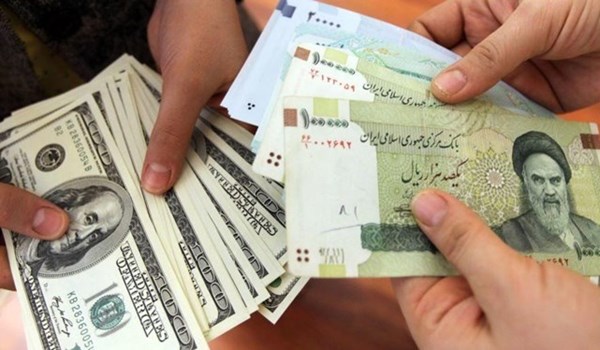
As high-level ceasefire talks are underway in Islamabad this April 2026, the war talk has been replaced by the cold and hard language of money. The most contentious issue in the deadlock between Washington and Tehran is one huge number: $100 billion. It is not simply an item in a ledger; it is the very essence of a country’s existence, which is now – to a large extent – ‘kidnapped’ in the safes of foreign banks from Luxembourg to Tokyo.
From the Iranian perspective, getting access to these frozen funds represents one of the main conditions for peace. At the same time, the U. S. sees it as its final bargaining chip. But with the April 22 ceasefire deadline less than a week away, one thing still puzzles everyone: what is this huge sum of money after all and will its being handed over really solve the problem of the longstanding hostility between the two countries?
A Nation’s Wealth on Ice
The $100 billion refers to the wealth that Iranian people have been able to accumulate over the years primarily from their exports of oil and gas but that has become stalled in the themost global financial system pipes worldwide. Since the time of the 1979 Islamic Revolution and also the hostage crisis that followed, the U. S. has been leading the way in a new style of financial warfare by using the fact that the dollar is the dominant global currency to essentially cut Iran off from its own funds.
Along these years, the sanctions have been expanded from initially just punishing the embassy seizure to becoming a complete isolation strategy with the main goal of preventing Iran from getting nuclear weapons and limiting its influence in the Middle East.
Today, Frederic Schneider of the Middle East Council on Global Affairs notes that these assets equal three times Iran’s annual hydrocarbon earnings. For a nation battered by war and internal unrest, this is the difference between economic collapse and a chance at reconstruction.
The Global Map of Iranian Gold
Where is this money? It is scattered across a geopolitical minefield. China, Iran’s primary oil customer, holds the largest share—at least $20 billion. India and Iraq hold roughly $7 billion and $6 billion, respectively, much of it owed for energy supplies but unpayable due to U.S. banking restrictions.
The saga of the $6 billion held in Qatar is perhaps the most illustrative of the current tension. Originally moved from South Korea as part of a 2023 prisoner swap, the funds were re-frozen by the Biden administration following regional escalations. This “now-you-see-it, now-you-don’t” approach to diplomacy has left Tehran deeply skeptical of any Western promises. To the Iranian leadership, the money isn’t a gift, it’s a debt that has been illegally withheld.
The Human Cost of Economic War
The impact of these frozen billions is felt most acutely on the streets of Tehran and Isfahan. Iran’s economy is currently gasping for air. Hyperinflation has decimated the Rial, and the infrastructure, from aging oil refineries to crumbling water systems, is in a state of terminal decline.
Roxane Farmanfarmaian of the University of Cambridge points out that unfreezing these funds would do more than just balance the books; it would provide the “hard currency” necessary to stabilize the Riyal and halt the devastating currency swings that sparked the deadly protests of late 2025. This isn’t just about military spending; it’s about fixing a power grid that fails in the summer and a healthcare system starved of imported medicine.
The Ultimate Gamble
As the Trump administration navigates these talks, the decision to unfreeze assets is a double-edged sword. To the hawks in Washington, releasing the money is “funding an adversary.” To the pragmatists, it is the only “confidence-building measure” that can prevent a return to full-scale kinetic warfare.
The $100 billion standoff is a testament to the power of the modern financial system as a weapon of war. But as 2026 unfolds, it has also become the only viable bridge to peace. If the assets remain frozen, the ceasefire will likely melt away. If they are released, it could signal the beginning of a new, albeit fragile, era in the Middle East. The world now waits to see if the price of peace is a check the U.S. is finally willing to sign.