
When it comes to making edibles, there are some rules you have to follow, and there are some choose-your-own-adventure aspects. You have to decarboxylate your weed. If you don’t, your edibles won’t get you very high. But you can make just about anything, from gummy bears to barbecue sauce. Seriously, anything you want to be an edible, can be an edible.
However, I want to highlight some of the best ways to turn your decarboxylated bud into cannabis infusions that you can play around with outside and inside the kitchen. Most people are familiar with cannabutter, but that’s far from your only option.
Refresh on Decarbing Bud
Before diving into the different infused ingredients you can make, here’s a quick recap of how to decarboxylate your weed. Remember, there are a few methods, but this is a tried and true one:
1. Heat your oven to 245ºF.
2. Break up (not grind) the flower into smaller pieces.
3. Spread out the flower on a baking sheet lined with parchment paper.
4. Bake it for 20-40 minutes, depending on how potent you want your edibles to be.
5. Now, you can grind the decarbed flower and use it to make butter or oil or whatever.
If you need flower, I highly recommend these THCa flower strains:


Cherry Kush THCa Flower (opens in a new window)
Okay, we have our decarboxylated flower. Let’s make something with it.
Make Cannabutter

The first and most common option is to make cannabutter. This is just as straightforward as it sounds — you’re making Cannabis-infused butter. You know what that means? You can replace all your butter uses with this. Butter your toast with THC; caramelize your onions in hemp; slather your mashed potatoes with pot.
Making the butter is fairly easy, and there are ample recipes out there that you can follow. Some will say you need to simmer the decarbed weed in butter for 4+ hours. That definitely infuses the butter, but it also increases the plant flavor because it pulls out more chlorophyll. In my experience, 60-90 minutes on medium simmer is enough.
After you’re done simmering it, strain out the pieces of bud, and you have your butter! Keep in mind that this butter won’t last forever, so use it or lose it. Or freeze it.
What to do with your cannabutter:
- Drizzle it on popcorn
- Eat bread and butter
- Cook buttered noodles
- Bake cornbread
- Toast grilled cheese
Any place where you usually use butter, you can use the cannabutter.
Infuse Your Favorite Oil

If butter isn’t your thing (maybe you’re lactose intolerant or something), no worries, friend. You can also infuse any type of oil with the decarbed cannabis. Canola, vegetable, olive, coconut, avocado, peanut, sesame, grape seed — you name it, it can be infused. As long as it’s an oil that contains fat molecules (which they all do), you’re good to go.
The process for infusing oil is the same as infusing butter. Heat the oil and decarbed flower on the stove and let it lightly simmer (NO BOILING) for at least an hour.
Not all oils are created equal, so choose wisely. For me, the biggest factor is smoke point. Oils like avocado and peanut have very high smoke points, so they’re easier to cook with. On the other hand, sesame, coconut, and some olive oils have low smoke points, so those are better for making dressings or cold dishes.
What to make with your infused oil:
- Salad dressing
- Stir fry
- French fries
- Roasted carrots
- Pesto
- Ratatouille
Use Animal Fat

This one is a little unorthodox and probably only going to appeal to the serious foodies and home chefs. Much like butter and oil, animal fat is, well, fat! So you can also infuse that with cannabis and use it to cook. Duck fat is my favorite, but you can also use pork lard, beef tallow, lamb tallow, bison tallow, chicken fat, or goose fat. Vegetable shortening works too! If you wanted to make your edibles extra unique, this is a great way to go.
Again, the process is the same for infusion. Melt your animal fat on the stove until it’s hot, but keep it from boiling. A light simmer is okay. Add your decarbed weed and let it do its thing for at least an hour. I’ve found animal fat can take slightly longer to infuse, so maybe at least 90 minutes.
What to make with your infused fat:
- Duck fat potatoes
- Pan-seared steak
- Fried chicken
- Shortbread
- Tamales
- Biscuits
Soak a Tincture

Here’s where the process starts to change. A tincture is an infused liquid that acts as a cannabis extract. It’s absorbed into your body differently than typical edibles.
Normal edibles must be digested and processed through your liver to enter the bloodstream. But tinctures are absorbed directly through your tongue, so the high hits sooner. Although the high is usually softer. The good news is that tinctures, especially alcohol-based ones, last way longer than infused butters and oils. It’s not enough alcohol to get you tipsy, so no need to fret about that.
Rather than infusing the liquid by cooking, you infuse it by soaking it for a long time. I recommend using food-grade ethanol (alcohol) for your base, but you could also use glycerin or a carrier oil.
Soak your decarbed weed in your base inside an airtight container. I like to use a mason jar! Make sure the weed is completely submerged in the base.
Now for the sucky part. You have to let the bud soak for a long time. Like a month, at least. The longer it soaks, the stronger the tincture will be. I know, I know. But if you don’t have the patience, then please refer to the above sections!
How to use your tincture:
- Put a few drops on your tongue
- Add it to tea or coffee
- Mix it into a smoothie
- Dose your cocktail
- Add it to sauces and dressings
Infuse a Syrup

Make things sweeter and stickier by infusing your favorite syrups with THC — maple syrup, simple syrup, vanilla syrup, lavender syrup, cinnamon syrup, ginger syrup, pumpkin syrup, corn syrup, chocolate syrup, mint syrup, etc. This also includes things like honey, molasses, and agave, which can be considered types of syrup. You can infuse a premade syrup or make your own and then infuse it.
For this, we’re back to simmering on the pot. The biggest difference is that we don’t want to go anywhere near medium heat. Mix your syrup and decarbed weed on the stove and keep the heat super-duper low.
Let it infuse for at least two hours, but maybe longer. I recommend tasting the syrup every 30 minutes after the two-hour mark. If it still tastes sweet, you can keep simmering. Once it starts to taste grassy, take it off the heat and pour it into a container.
What to do with THC syrup:
- Mix cocktails
- Drizzle on pancakes or waffles
- Stir into coffee or tea
- Bake into cakes
- Add to savory sauces
Choosing Your Cannabis Infusion
Which one to go with? It depends on how you want to get high. If you plan to make brownies and cookies, cannabutter and oils are the best choice. For people who like to cook meals with their cannabis infusion, oils, butters, and animal fats are all wonderful options. The tinctures and syrups are best as THC mix-ins or toppings, but usually don’t lend themselves as well to baking or cooking.
If you’re not sure, try them all! Once you get the hang of infusions, they’re easy to make and fun to have around. You can also skip the hassle altogether and just buy your infusion…
The Mood Nano THC Syrup can be cherry or blood orange-flavored and brings a sweet, high element to anything.

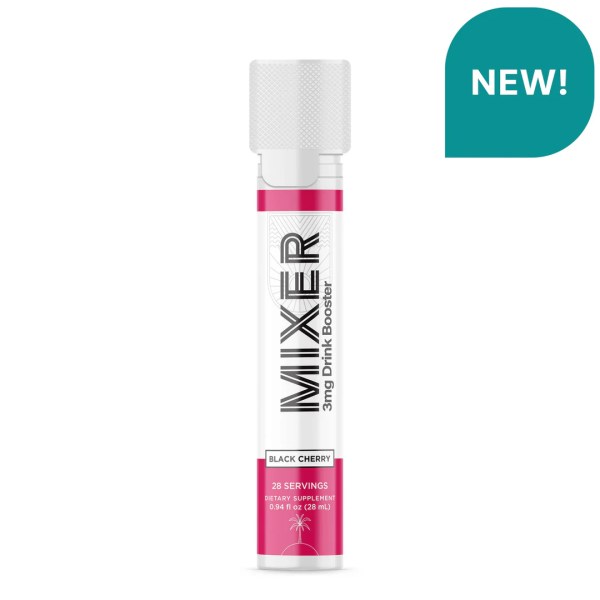
For a versatile infusion, the cbdMD THC Drink Mixer can go in literally anything, especially if you get the unflavored version.
Instead of making your own tincture, you can buy this CBDfx Full Spectrum Tincture, which can go right on your tongue or into your favorite drink.

The post 5 Ways To Make Your Own Edible Infusions appeared first on VICE.